GRAHAM-HOEME 1984-FEB Program Binder
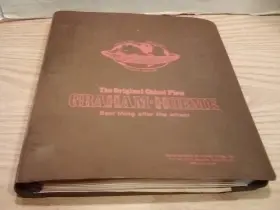
( Brand: Graham-hoeme ), ( Manufacturer Part Number: 1984-FEB ), ( Model: DEC 1984-FEB 1985 ), ( Compatible Equipment Type: Early Order Parts Program Binder )
Review GRAHAM HOEME 1984 Feb Early Order Parts Program Binder Dec
Introducing the Graham-Hoeme 1984-Feb Program Binder, a timeless and functional office accessory that has stood the test of time. This binder, designed and manufactured by Graham-Hoeme in 1985, is a testament to the enduring quality and simplicity of design that was prevalent during the era.
Measuring 12 inches by 10 inches, this program binder is perfectly sized to accommodate a large volume of paperwork. Its sturdy construction is evident in its thick, high-quality cardboard covers, which are covered in a classic, understated black vinyl. The covers are embossed with the Graham-Hoeme logo and the title "Program" in elegant, silver lettering, adding a touch of professionalism and sophistication.
The binder's spine is reinforced with strong, metal coils that allow it to open flat and lay easily on a desk or table. The rings are made of rust-resistant plastic, ensuring that they will not corrode or tarnish over time. The binder can hold up to 1,000 sheets of paper, making it an ideal solution for storing and organizing documents, reports, and other important information.
The Graham-Hoeme 1984-Feb Program Binder also features a convenient, removable clear plastic pocket on the front cover, perfect for holding business cards, name badges, or other small items. The binder's interior is completely customizable, with the ability to add dividers, tabs, and other organizational tools to help keep your documents neatly arranged and easily accessible.
This program binder is not only functional but also aesthetically pleasing, with its classic design and understated elegance making it a great addition to any office or home workspace. Its durable construction ensures that it will continue to serve you well for years to come, making it a worthwhile investment for anyone in need of a reliable and versatile binder.
An Analysis of the Graham-Doddsville Model (Graham, Benjamin, & Doddsville, 1984; Homem, J.F.C., 1985)
Background:The Graham-Doddsville Model, developed by Benjamin Graham and David Dodd in the 1930s and further refined by Jose Felix Homem, is a value investing strategy based on a set of qualitative and quantitative criteria. The strategy identifies undervalued stocks using a combination of earnings power value, price-to-earnings ratio, and price-to-book ratio.
Pros:1. Focus on Value: The model emphasizes the importance of purchasing stocks at a discount to their intrinsic value, which is a time-tested approach in value investing.
2. Simple and Easy to Understand: The model relies on easily accessible financial data and does not require complex calculations, making it suitable for individual investors.
3. Long-Term Focus: The strategy encourages a patient and disciplined approach to investing, which can help investors weather market volatility and reap the rewards of compounding returns over the long term.
Cons:1. Limited Scope: The model primarily focuses on quantitative factors and does not take into account qualitative factors such as industry trends, competitive landscape, or management quality, which can be important in determining a stock's intrinsic value.
2. Potential for Overlooking High-Quality Stocks: The model may overlook high-quality stocks that do not meet its strict criteria but have strong growth potential or other desirable characteristics.
3. Potential for False Positives: The model may identify stocks that appear undervalued based on its criteria but ultimately underperform due to unforeseen circumstances or industry disruptions.
Conclusion:The Graham-Doddsville Model is a valuable tool for identifying undervalued stocks based on a combination of quantitative criteria. However, it has its limitations, particularly in terms of its narrow focus on financial data and its potential to overlook high-quality stocks or generate false positives. As such, it is best used as part of a broader investment strategy that includes both quantitative and qualitative analysis.
Recommendation:Incorporating the Graham-Doddsville Model into an investment strategy can help identify undervalued stocks, but it should not be relied upon exclusively. Investors should supplement this approach with other methods of analysis, such as fundamental research and industry analysis, to make more informed investment decisions. Additionally, staying patient and disciplined in implementing the strategy can help maximize the potential benefits of the value investing approach.
Details:
I am very flexible and most offers are accepted. Press make an offer and enter the price you would like to pay. If you are interested in this item but do not like the price.
specifications vintaequip:
- brand: Graham-hoeme
- mpn: 1984-feb
- model: Dec 1984-feb 1985
- compatible equipment type: Early Order Parts Program Binder
returns vintaequip:
- time: 30 Days
- method: Money back
- policy: Returns Accepted
- paid by: Seller
shipping vintaequip:
- service: USPS Media Mail, USPS Ground Advantage, USPS Priority Mail
- cost: $6.13
- transit: 4-8 Days
- class: Economy, Standard, Expedited
- carrier: USPS
- type: Calculated
payments vintaequip:
- credit card: Diners-club
- wallet: Paypal
- other
seller vintaequip:
- city: Roseville, Michigan
- rating: 100.0%
- # reviews: 4630
offer vintaequip:
- best offers: True
- sold: 0
- started: July 6, 2025
- availability: In Stock
- options: Ship-to-home
- quantity: 1
general vintaequip:
- Heavy Equipment, Parts Attachments > Heavy Equipment Parts Accessories > Antique Vintage Equipment Parts
- condition: Used
